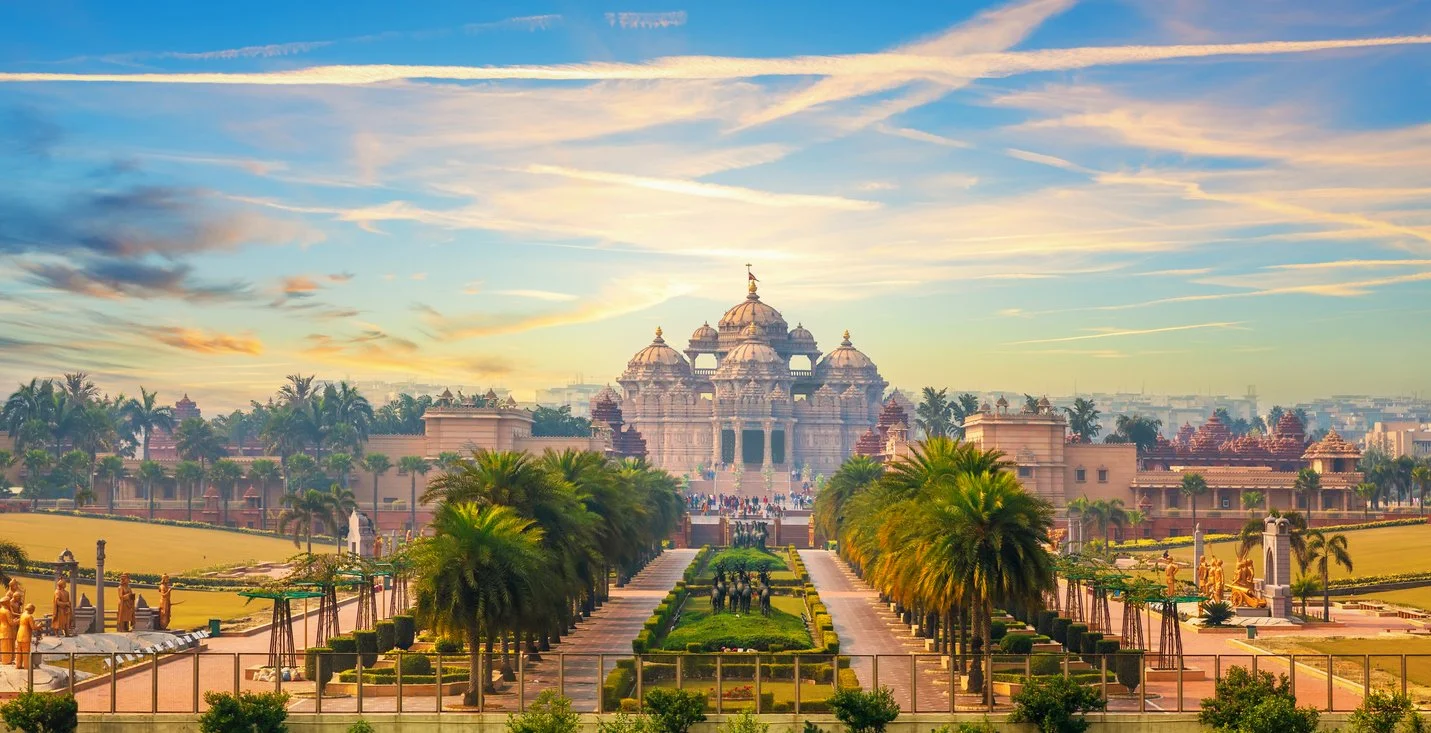
Delhi isn’t one city. It’s layers of cities piled on top of each other: Mughal lanes and Sufi shrines, leafy diplomatic avenues, Tibetan dumpling shops, medieval tombs, art galleries, chaotic markets and restaurants serving food whose recipes have survived governments, borders and generations. The mistake is trying to conquer it. Delhi always wins. Better to eat well and surrender.
Day 1 – Nizamuddin: Tombs, Trees, Kebabs & the Old Soul
Delhi is at its best when beauty and disorder stop fighting and simply agree to share the same block.
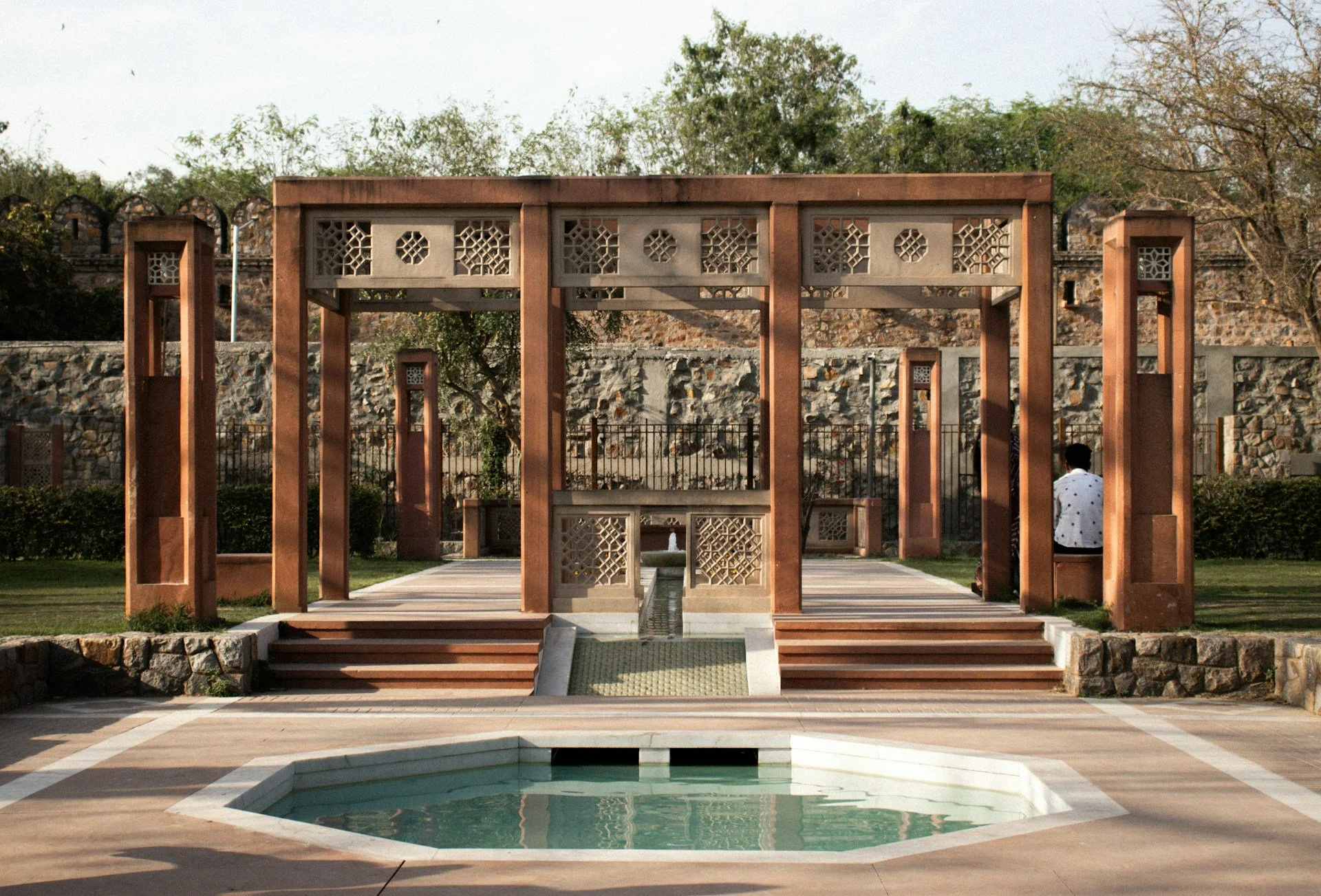
Sunder Nursery - This isn't really a garden so much as Delhi's escape hatch: roughly 90 acres, 20 historic structures, hundreds of tree species and more. Skip the urge to conquer it. Wander. Sit under a tree. Bring something to read.
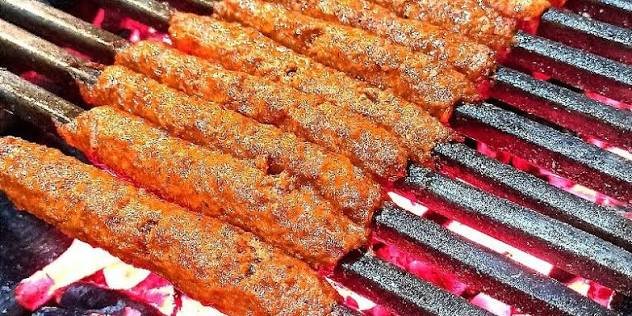
Nizamuddin Basti - Walk away from manicured lawns and into Nizamuddin's narrow lanes. This is where the itinerary gets messier and considerably more delicious. Seek out seekh kebabs blistered over charcoal, chicken tikka, nihari, biryani and fresh roomali roti rather than looking for polished dining rooms. Around here, smoke, traffic, scooters and dinner all occupy roughly the same square footage. That's part of the deal.
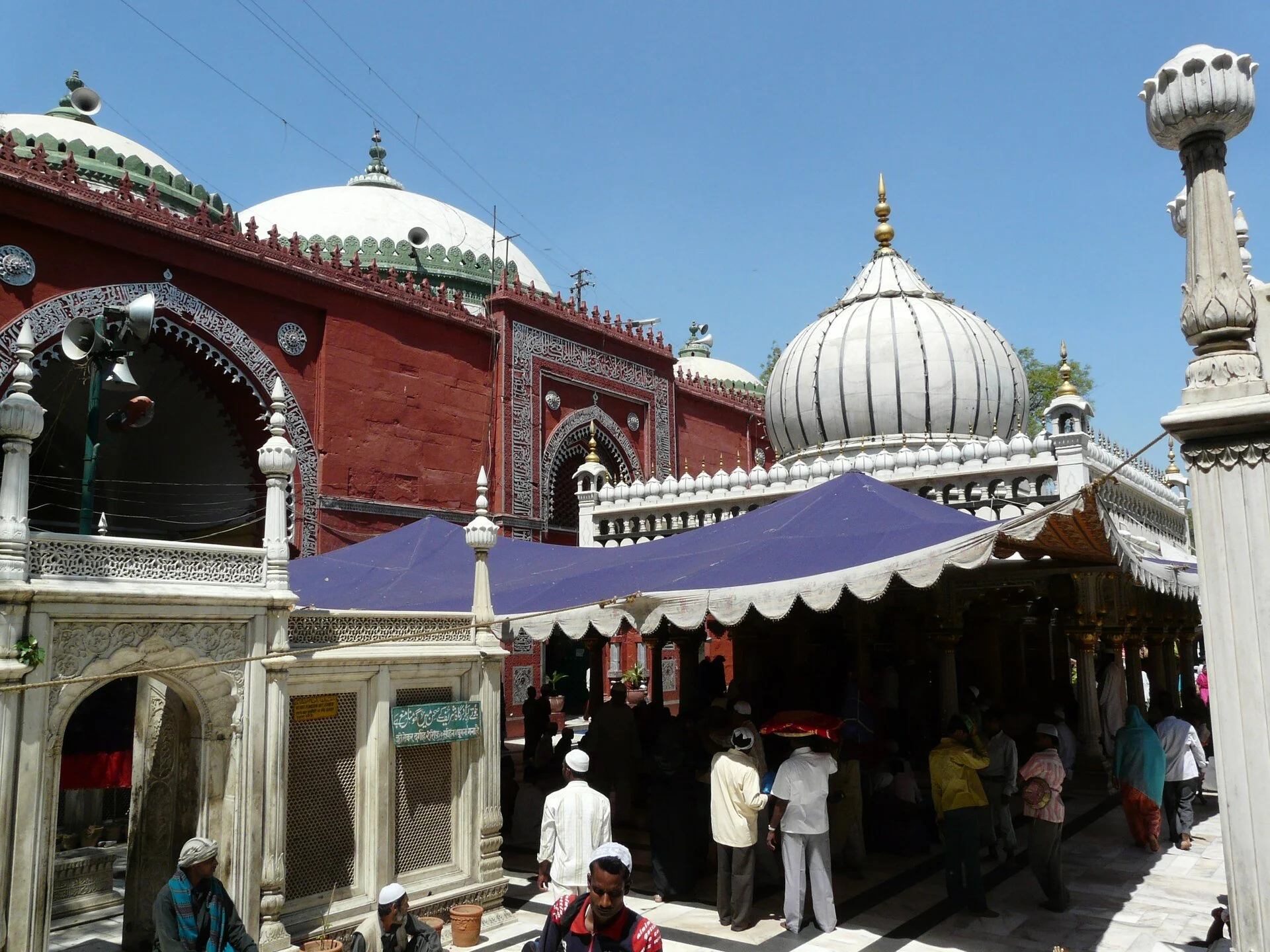
Hazrat Nizamuddin Dargah - Deep inside the basti sits the shrine of the 14th-century Sufi saint Nizamuddin Auliya. Remove your shoes, cover your head, behave like a guest and absorb the atmosphere.
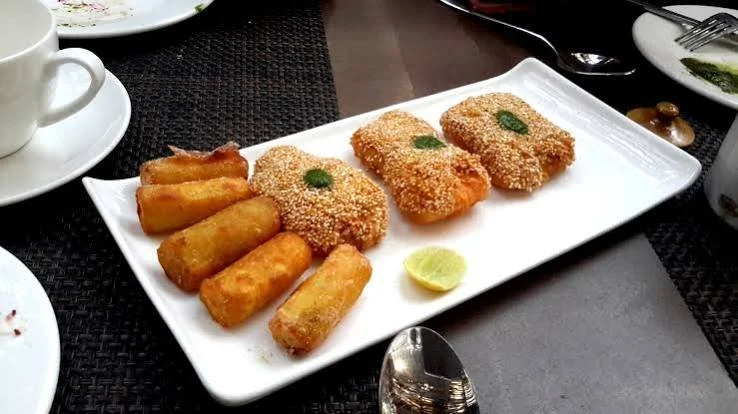
Ghalib Kabab Corner - Forget linen napkins and get it off a grill: seekh kebabs, chicken tikka, rumali roti and onions hit with lemon. Delhi understands that some of life's most satisfying meals require neither reservations nor architectural lighting—just charcoal, spice and somebody who's been doing the same thing thousands of times.
Day 2 — Mandi House: Artists, Actors & Chai
Some cities put culture behind velvet ropes; Delhi occasionally puts it at a plastic table with a cup of chai.
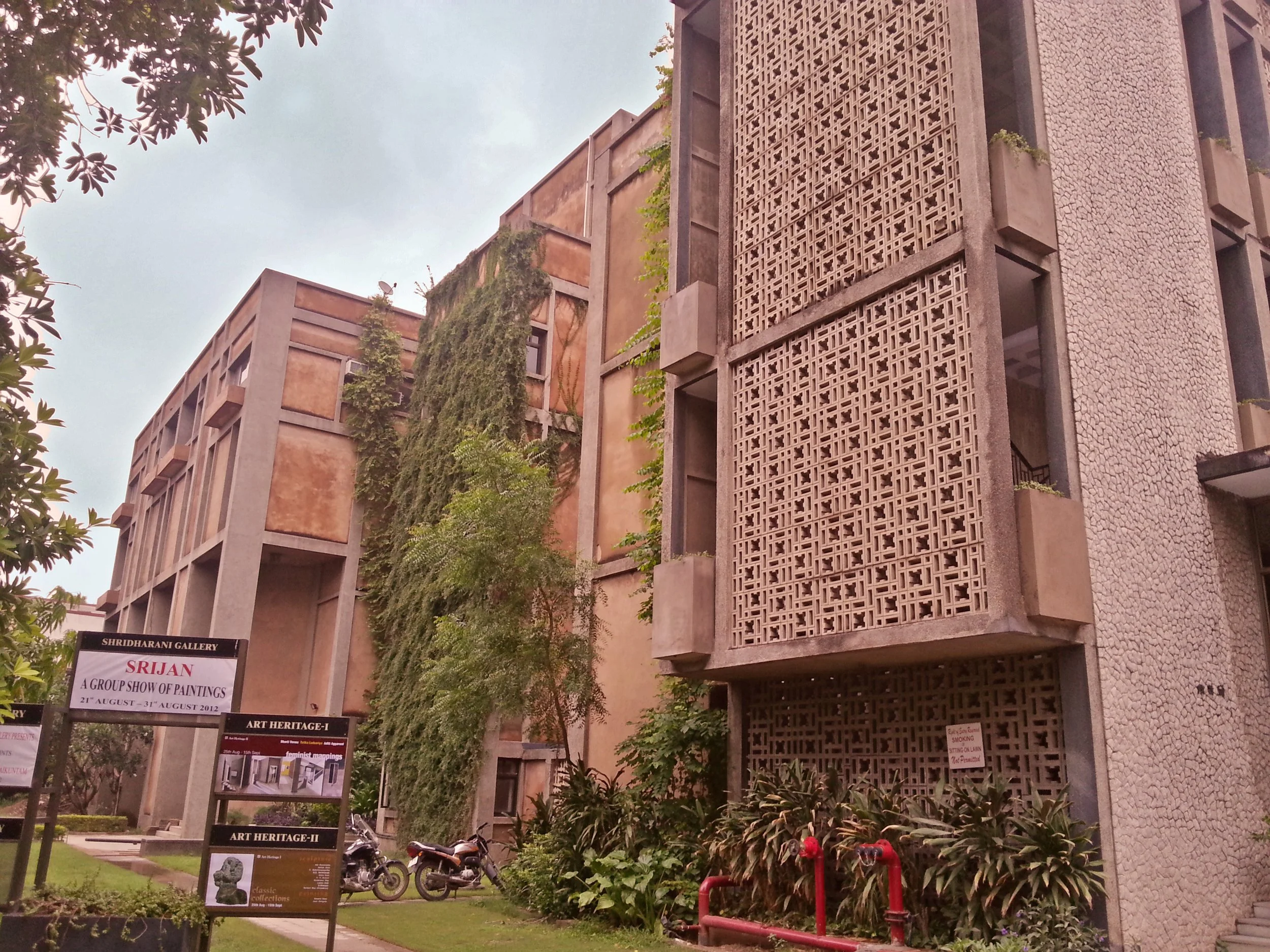
Triveni Kala Sangam - Triveni is exactly the kind of institution worth knowing if you're living here rather than merely passing through: galleries, sculpture, dance, music and people arguing enthusiastically about all of the above.
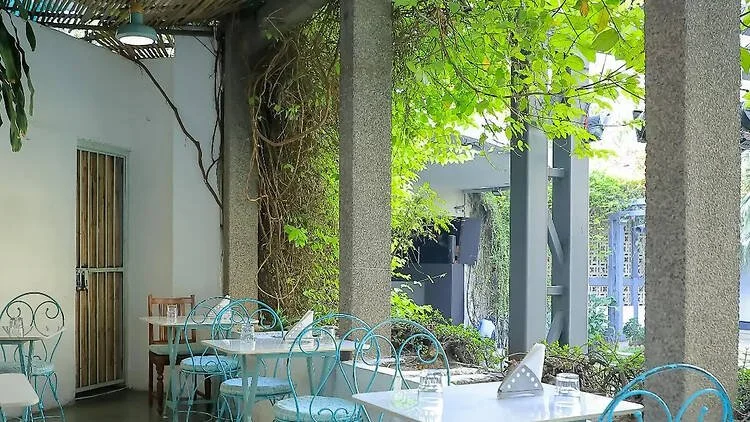
Triveni Terrace Cafe - Hidden inside Triveni is one of Delhi's genuinely beloved cultural cafés. Order palak patta chaat, bun kebab, a regional special or thali and linger over tea. The crowd tends toward artists, actors, students and people apparently capable of making one cup of chai last through an entire philosophical debate.
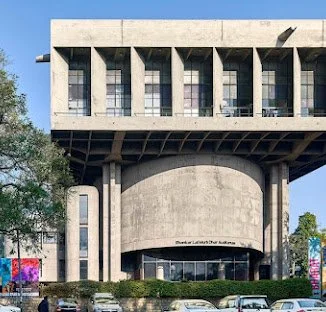
Shri Ram Centre for Performing Arts - Don't over-plan this one. Look at the board and see what's playing: Hindi theatre, contemporary productions, experimental work, dance. Mandi House remains one of the places where Delhi's theatrical ecosystem actually lives, and seeing a production here tells you more about the city's cultural life than another attraction ever could.
DAG - Finish the cultural circuit at DAG on Janpath. Its exhibitions are a useful antidote to the simplistic idea that Indian art begins with miniatures and ends with Mughal court paintings. Modernism, abstraction, photography and artists wrestling with India's transformation are the point. Then step outside and you're back in Delhi traffic. Civilization restored.
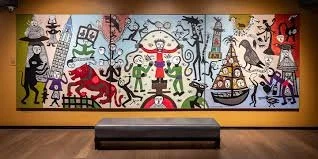
Day 3 — Lodhi Road & Khan Market
Delhi can do refinement perfectly well—it just wisely refuses to pretend refinement is the whole story.
Lodhi Garden - Yes, there are magnificent 15th- and 16th-century tombs here. But that's almost beside the point. Watch what Delhiites actually do: jog, walk dogs, gossip on benches, practice yoga, picnic, court one another and occasionally appear to conduct entire business meetings under trees. It's history functioning as ordinary public space rather than something embalmed behind a ticket booth.
India Habitat Centre - IHC is one of those places locals check repeatedly because the attraction isn't the building—it's what's happening inside it. Exhibitions, theatre, film screenings, talks and performances rotate constantly.
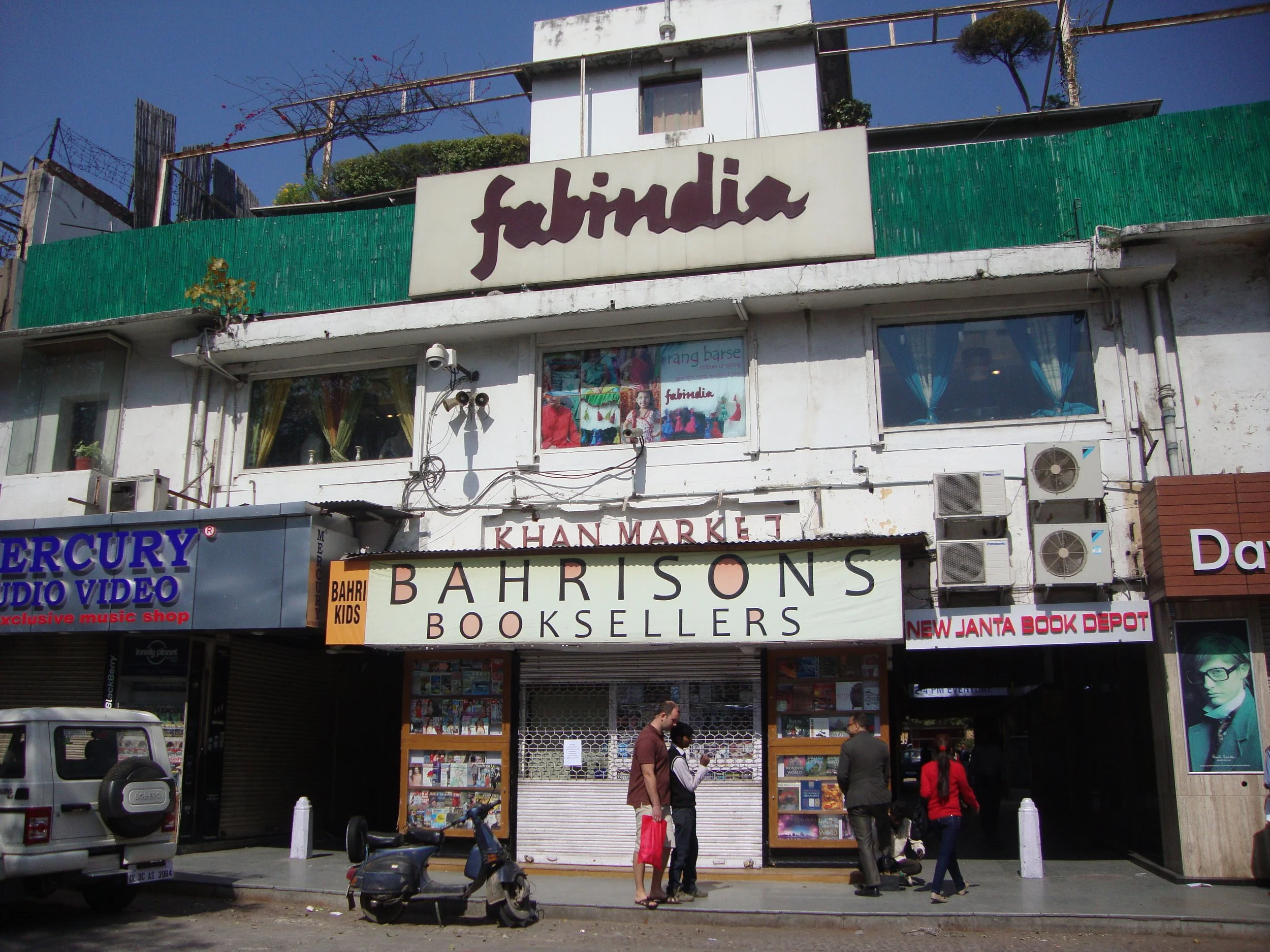
Khan Market + Perch Wine & Coffee Bar - Khan Market is expensive, crowded and unapologetically bourgeois—and still worth having in your rotation. Browse the bookstores and small shops, then disappear into Perch for coffee or wine. This isn't the Delhi of rattling pans and street stalls. It's the Delhi of journalists, diplomats, designers and long conversations over drinks.
Indian Accent - After three days of insisting that the humbler places are where the action is, allow yourself one serious splurge. Indian Accent takes recognizable Indian flavors and plays with them without treating tradition like a museum piece. Don't approach it looking for the "authentic" version of something you've eaten elsewhere. That's missing the point. You're here to see what happens when a very good kitchen is allowed to mess with the rules.
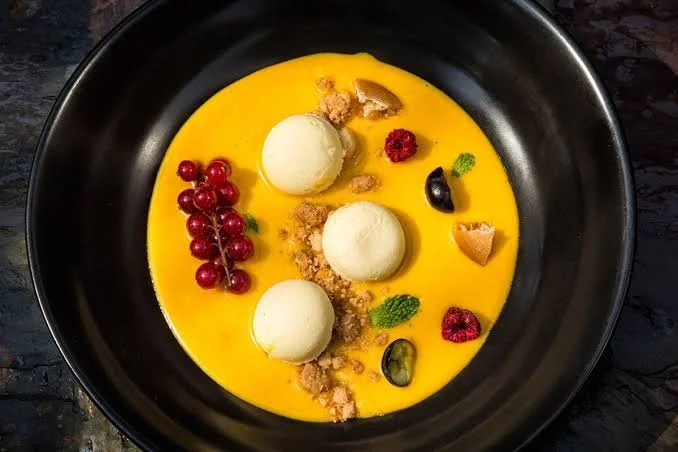
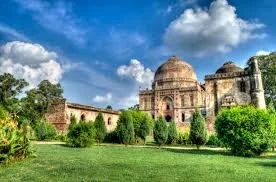
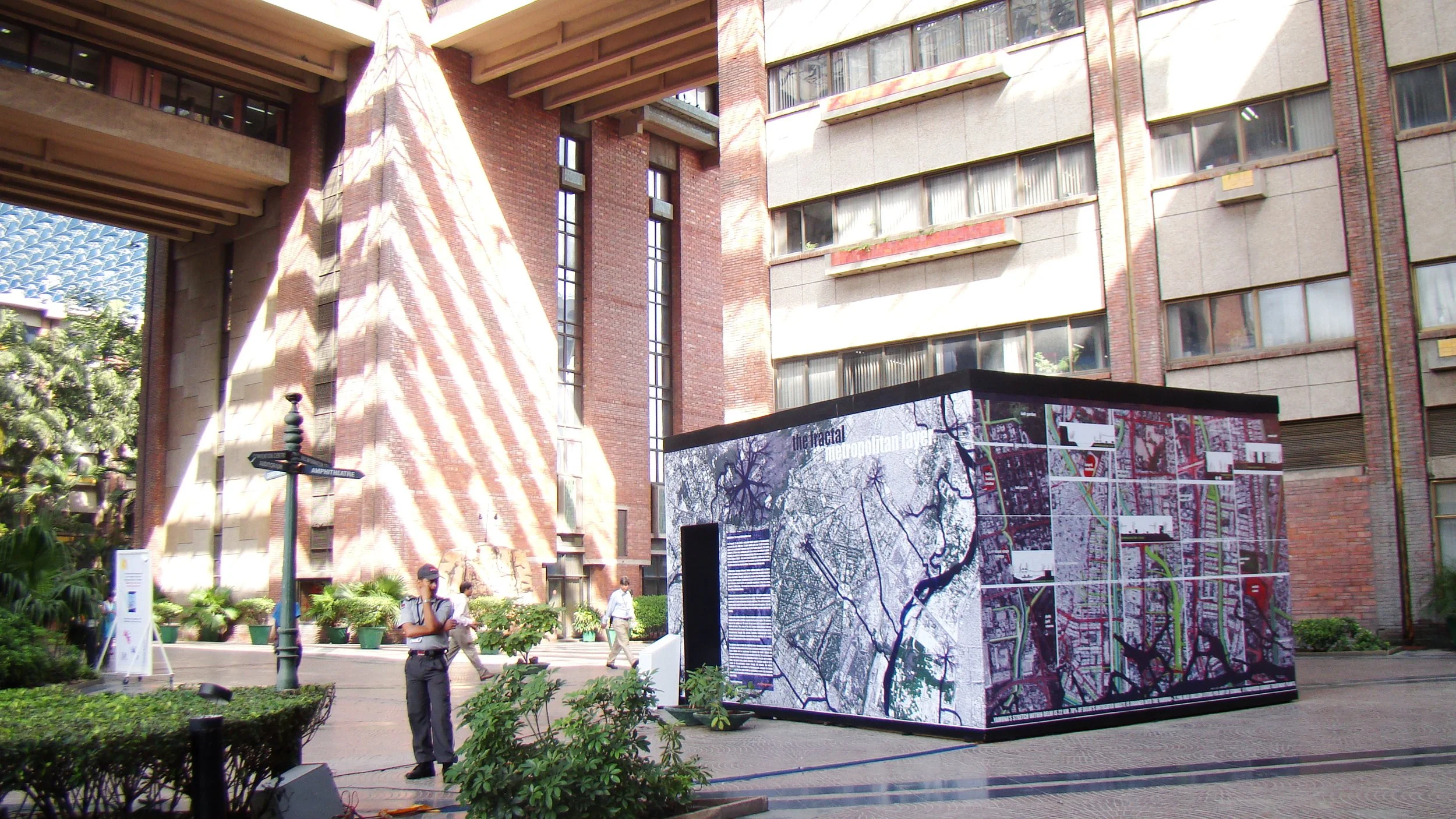
Day 4 — Crafts, South Delhi & Music
Eat something unfamiliar, buy a book you didn't need, listen to somebody play music you've never heard—that's a respectable way to spend a day.
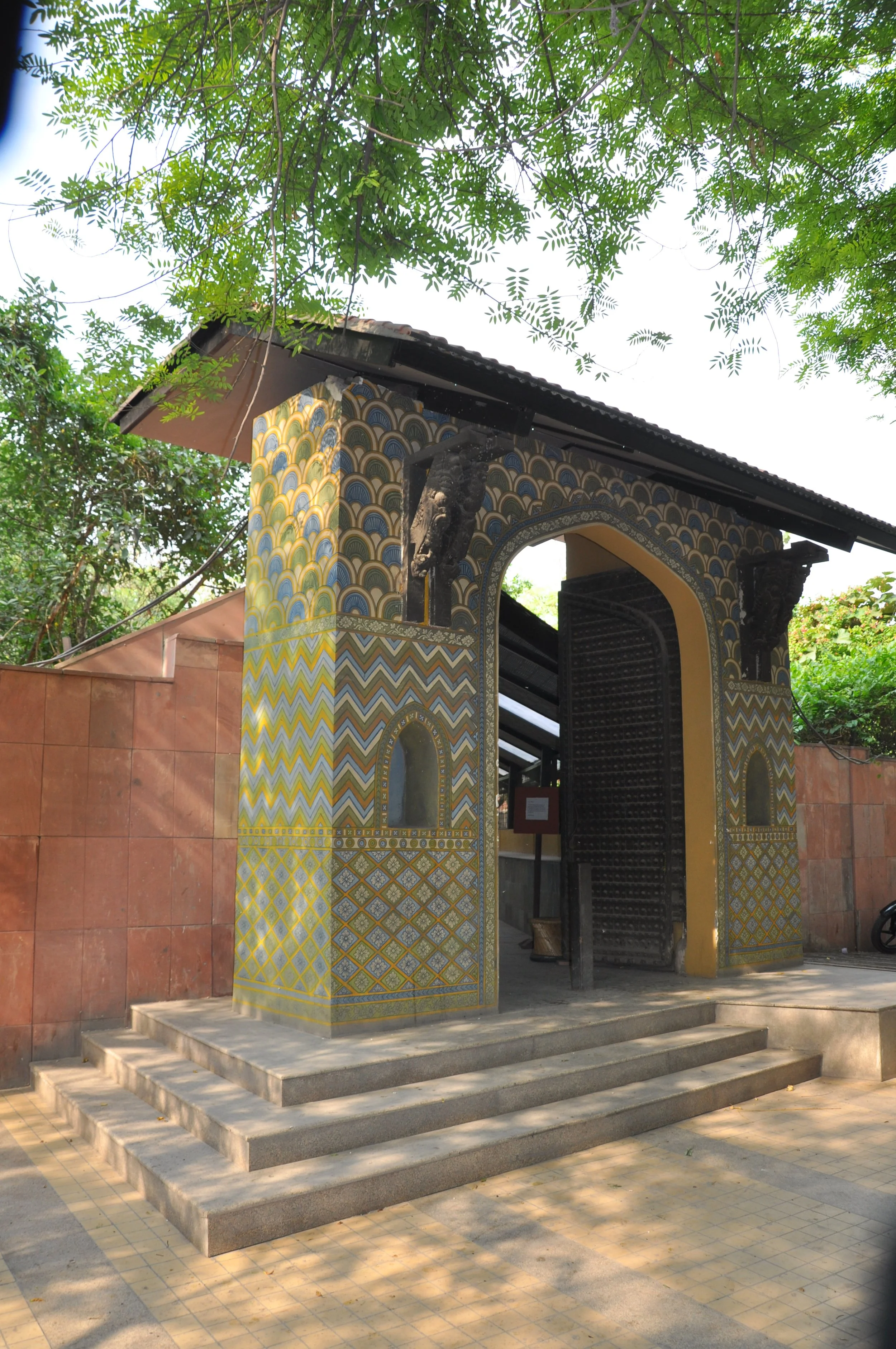
National Crafts Museum & Hastkala Academy - This is an underrated Delhi institution. Textiles, tribal art, pottery, carved wood, traditional architecture and working artisans make it less about staring reverently into glass cases and more about understanding how things are actually made. It's the sort of museum where "craft" quickly stops meaning decoration and starts meaning history, geography, labor and identity.
Cafe Lota - Right beside the Crafts Museum sits one of Delhi's most useful restaurants. Instead of reducing Indian cooking to the familiar North Indian restaurant canon, Café Lota roams around the country. Order adventurously. Millet, regional breads, unusual grains, chutneys and dishes drawn from different states make this an excellent place to remember the obvious fact foreigners—and sometimes Delhi itself—forget: "Indian cuisine" isn't one cuisine.
Dilli Haat - Dilli Haat is known to visitors, certainly, but locals still use it because the formula works: handicrafts and regional food stalls gathered into one pleasantly chaotic compound. Don't buy the first thing waved at you. Wander. Compare. More importantly, eat. Look beyond butter chicken toward momos, thukpa, litti chokha, pork dishes from the Northeast, dosas or whatever regional stall smells most convincing.
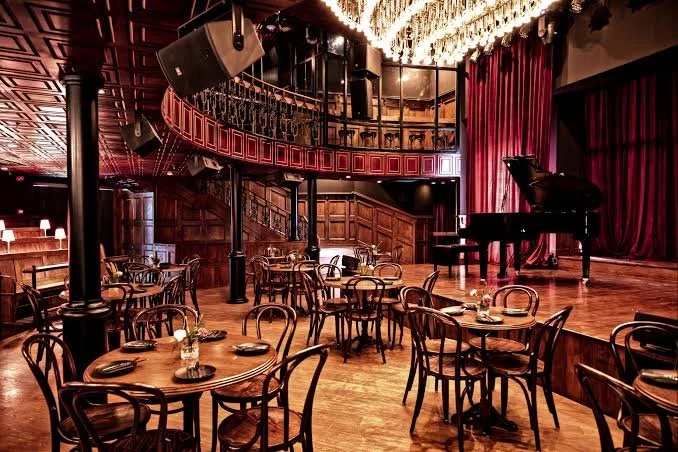
The Piano Man - Finish without another monument, market or mandatory cultural lesson. Get a drink, sit down and listen. The Piano Man's Eldeco Centre venue provides the sort of live-music ending this itinerary needs: jazz and musicians from Delhi's wider independent scene rather than a giant spectacle.