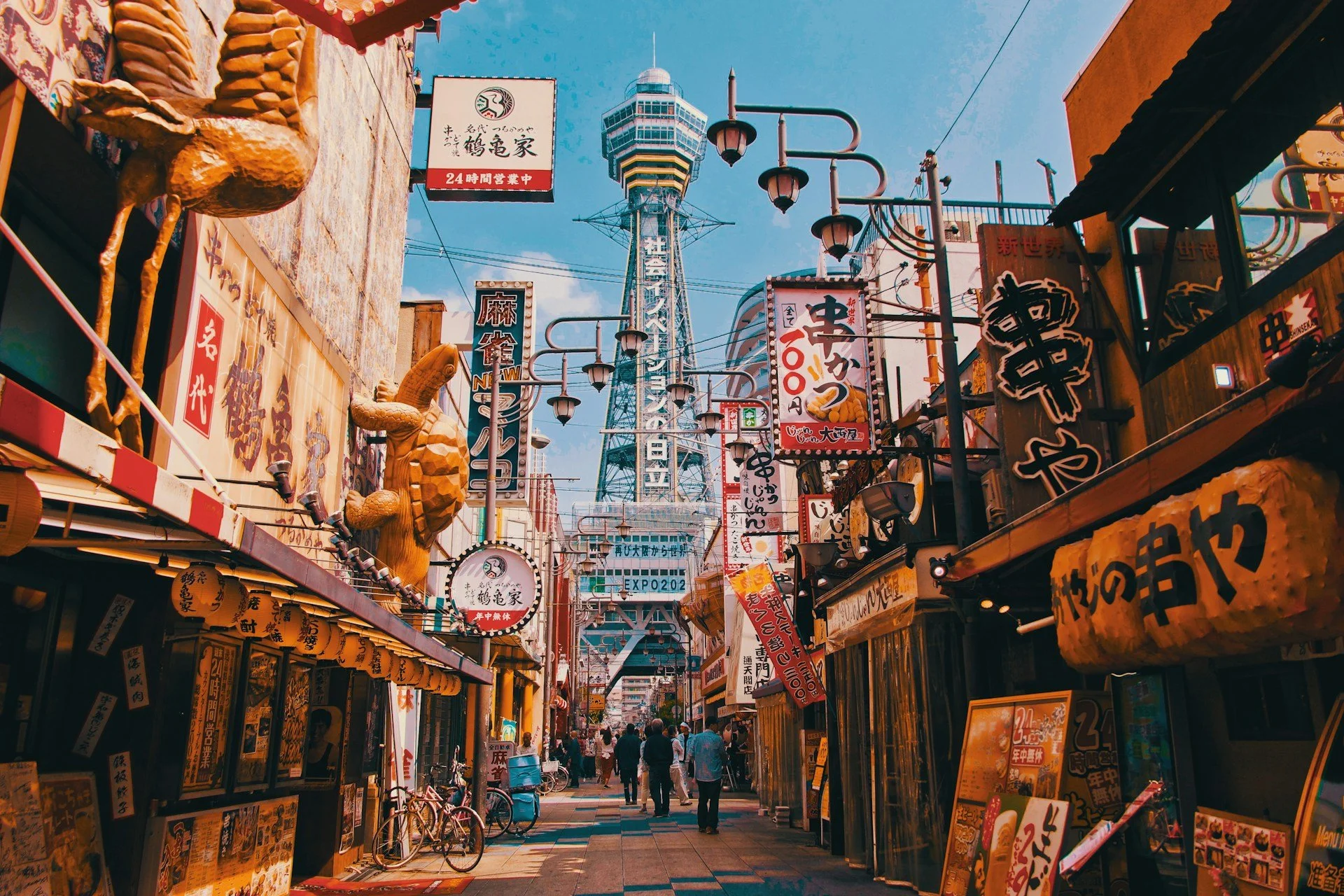
Osaka is Japan with its tie loosened. Tokyo may have the polish and Kyoto the temples, but Osaka has the appetite: sizzling griddles, tiny bars, market alleys, comedians, working-class neighborhoods and a population that seems genuinely committed to having a good time. The local philosophy of kuidaore—roughly, “eat until you drop”—tells you almost everything you need to know. Osaka doesn't ask you to admire it from a distance—it pulls up a stool, pours you a beer, drops something sizzling in front of you and wonders why the hell you're not eating yet.
Day 1 — Tsuruhashi & Shinsekai: Smoke, Griddles and Old Osaka
Start with the Osaka that smells like charcoal, frying oil and somebody’s grandmother cooking something you desperately want.
Tsuruhashi & Osaka Koreatown - Get off the train and follow your nose. Tsuruhashi is a maze of covered alleys packed with kimchi vendors, Korean grocers and yakiniku restaurants where smoke pours from tabletop grills. It reflects the Korean community that has been part of Osaka for generations and feels like a neighborhood first, attraction second.
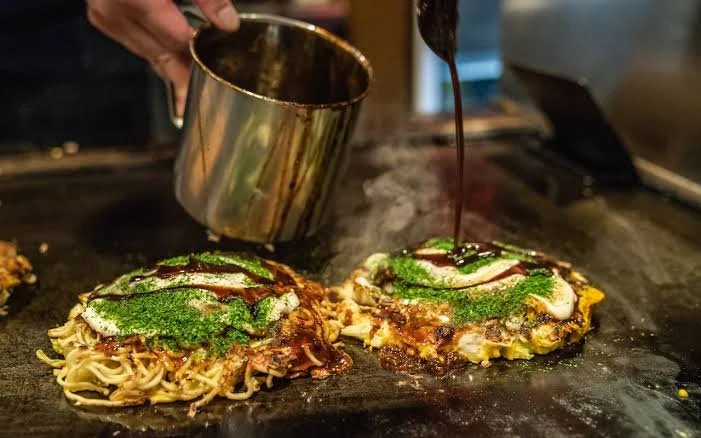
Lunch at Omoni - This is the kind of Osaka meal you want: a hot griddle, a big cabbage-heavy okonomiyaki, noodles and very little ceremony. Omoni is a long-running Momodani institution close to Koreatown; get the okonomiyaki, let the sauce caramelize against the heat and accept that this glorious mess is exactly what lunch should be.
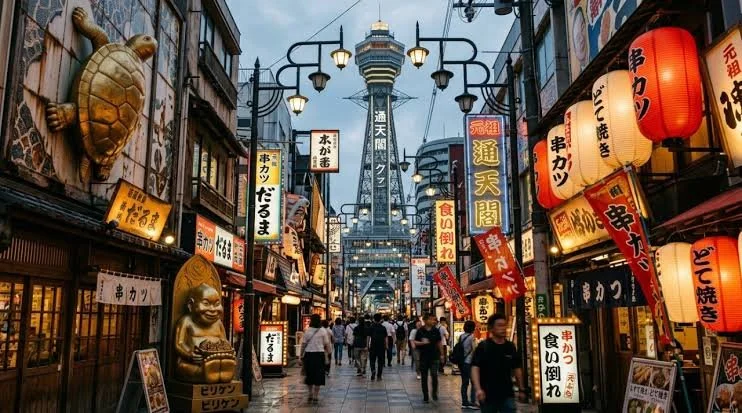
Shinsekai & Jan-Jan Yokocho - Head west into old-school Osaka. Shinsekai is faded neon, vintage game parlors, old men drinking early and Tsutenkaku looming overhead. It's rougher and more eccentric than the city's polished center—and considerably more interesting. Kushikatsu is the neighborhood religion.
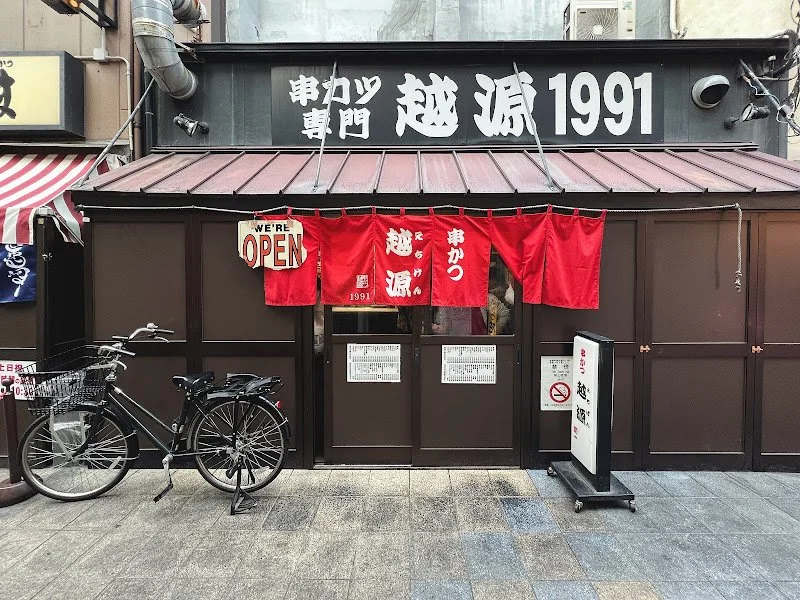
Kushikatsu at Echigen - Forget the enormous restaurants with cartoon mascots. This compact counter joint serves skewers one at a time: beef, shrimp, lotus root, vegetables, whatever looks good that day. Hot oil, cold beer, crisp batter. That's dinner.
Day 2 — Tenma: Markets, Shrines and Osaka After Work
The good stuff happens when office workers loosen their collars, stools fill up and somebody orders the second round.
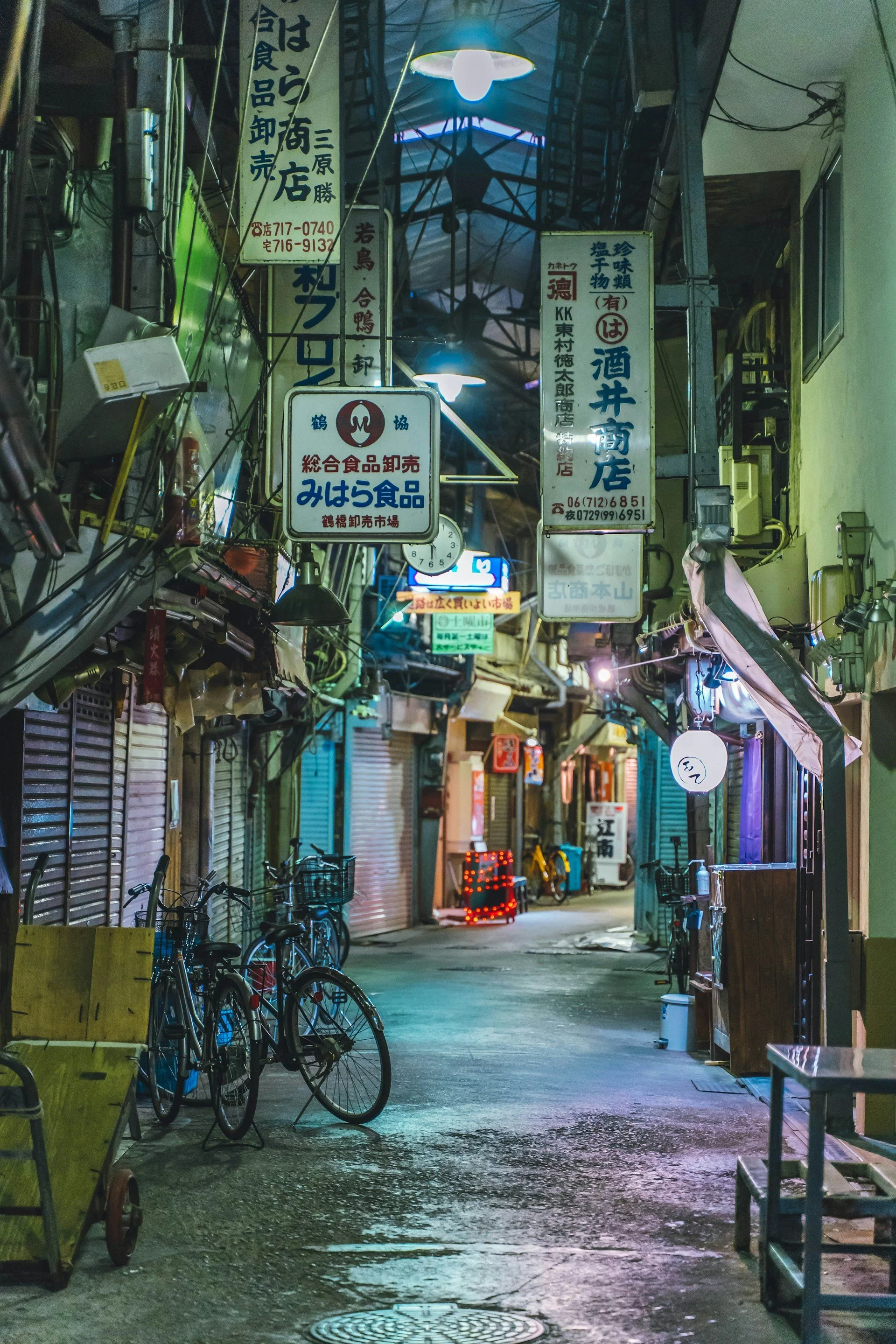
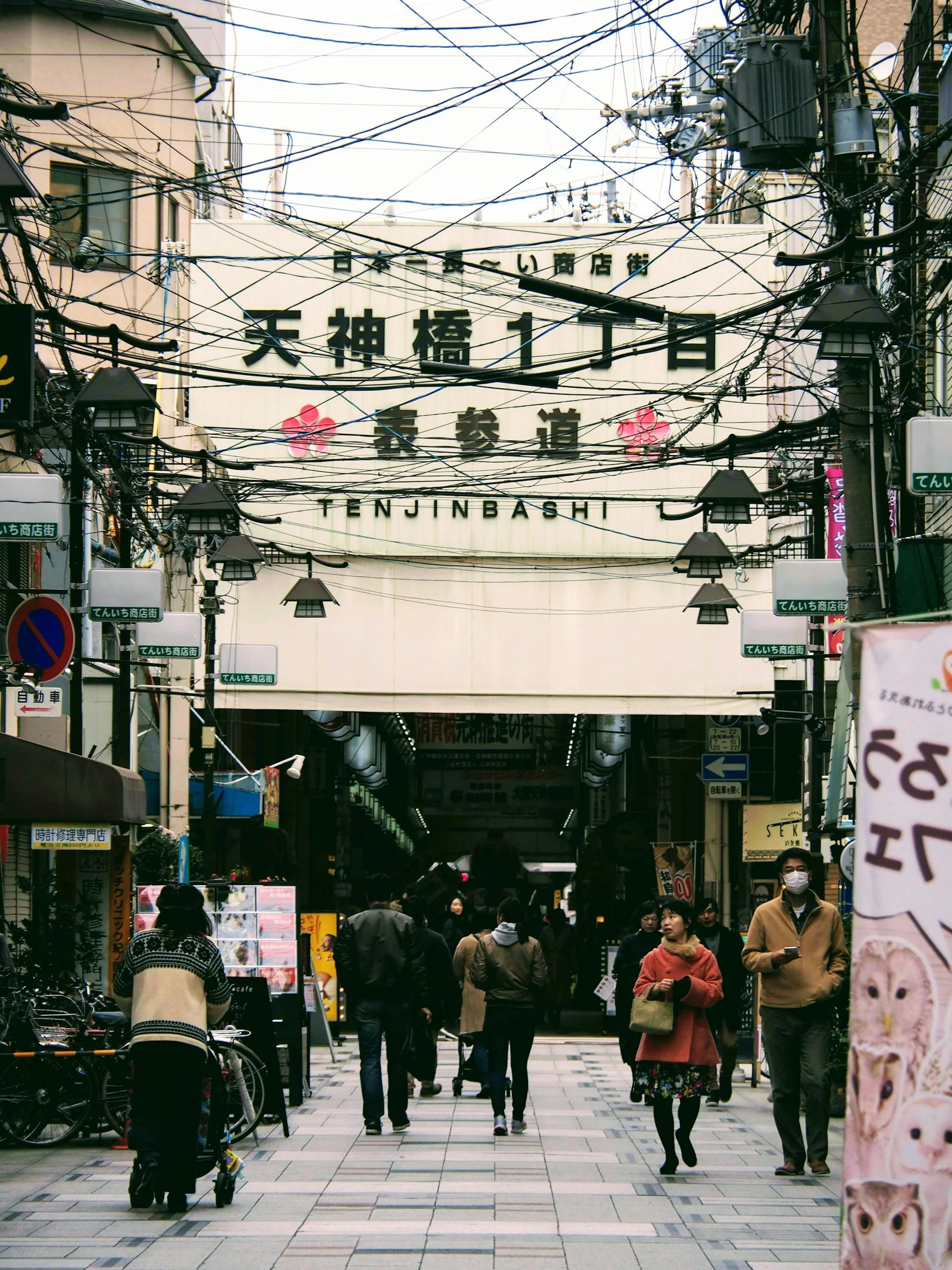
Tenjinbashi-suji Shopping Street - Walk part of this roughly 2.6-kilometer covered arcade through the heart of everyday Osaka. You'll find knife shops, tea sellers, fishmongers, cheap clothing, croquettes, sweets and restaurants that aren't trying to become famous on social media. It's refreshingly ordinary—and that's precisely why you should go.
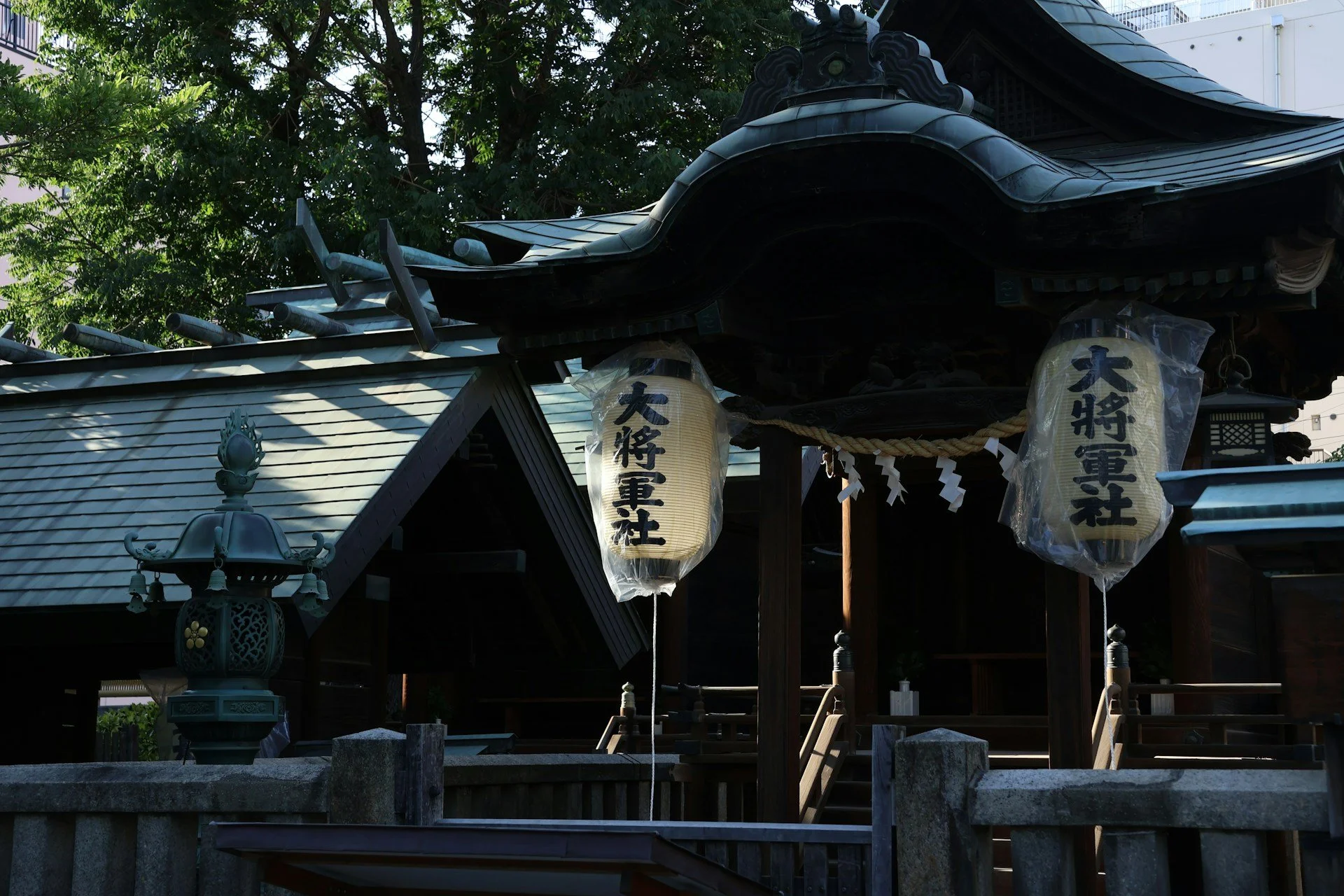
Osaka Tenmangu Shrine - Step out of the commercial frenzy into one of Osaka's great neighborhood shrines. People come here to pray for academic success, families stop on ordinary errands, and life carries on without anyone staging it for visitors.
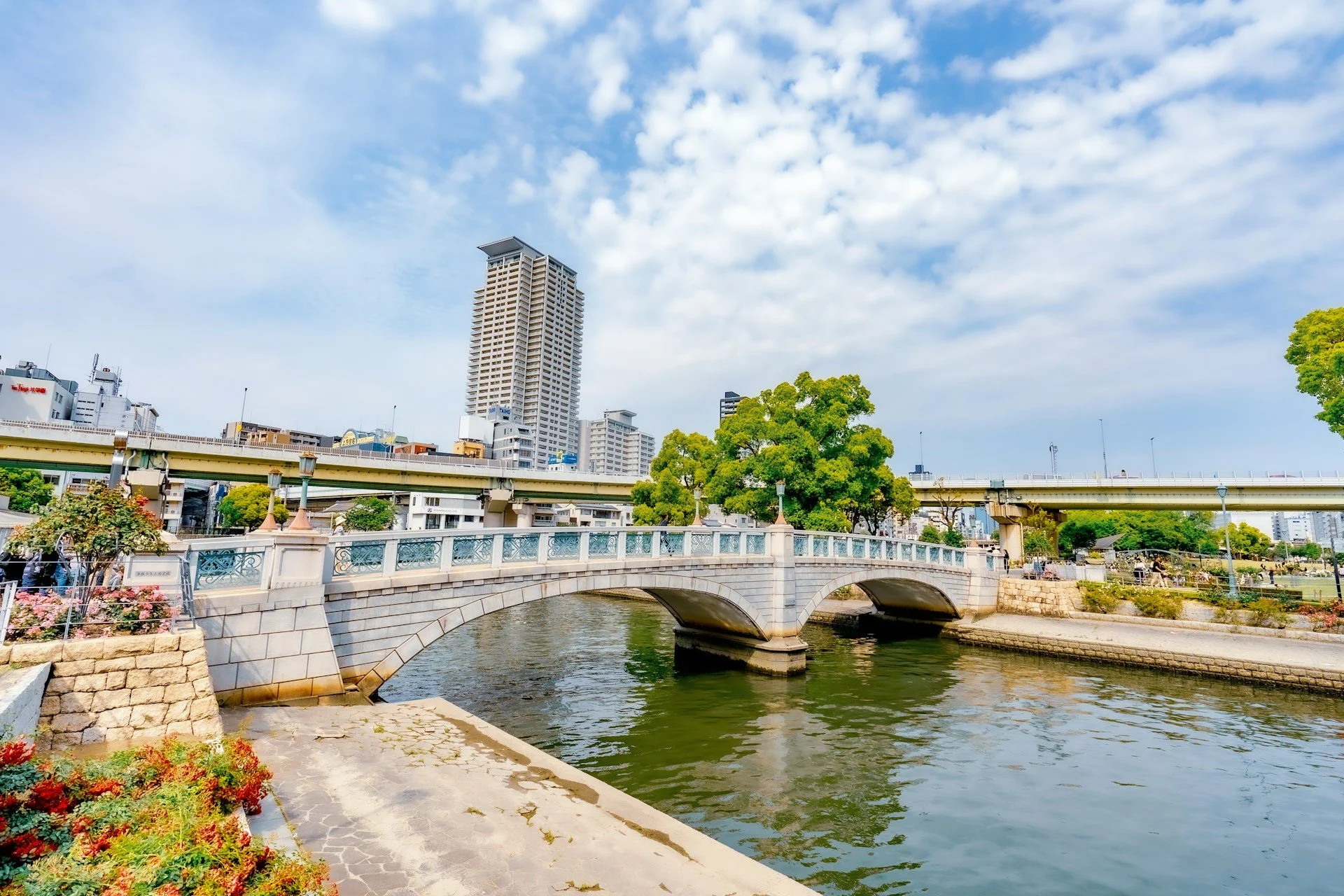
Nakanoshima Riverside & Nakanoshima Museum of Art - Walk south toward the island between the Dojima and Tosabori rivers. This is Osaka taking a breather: water, bridges, architecture and greenery surrounded by the commercial city. Visit the art museum, then walk the river rather than immediately jumping back on the subway.
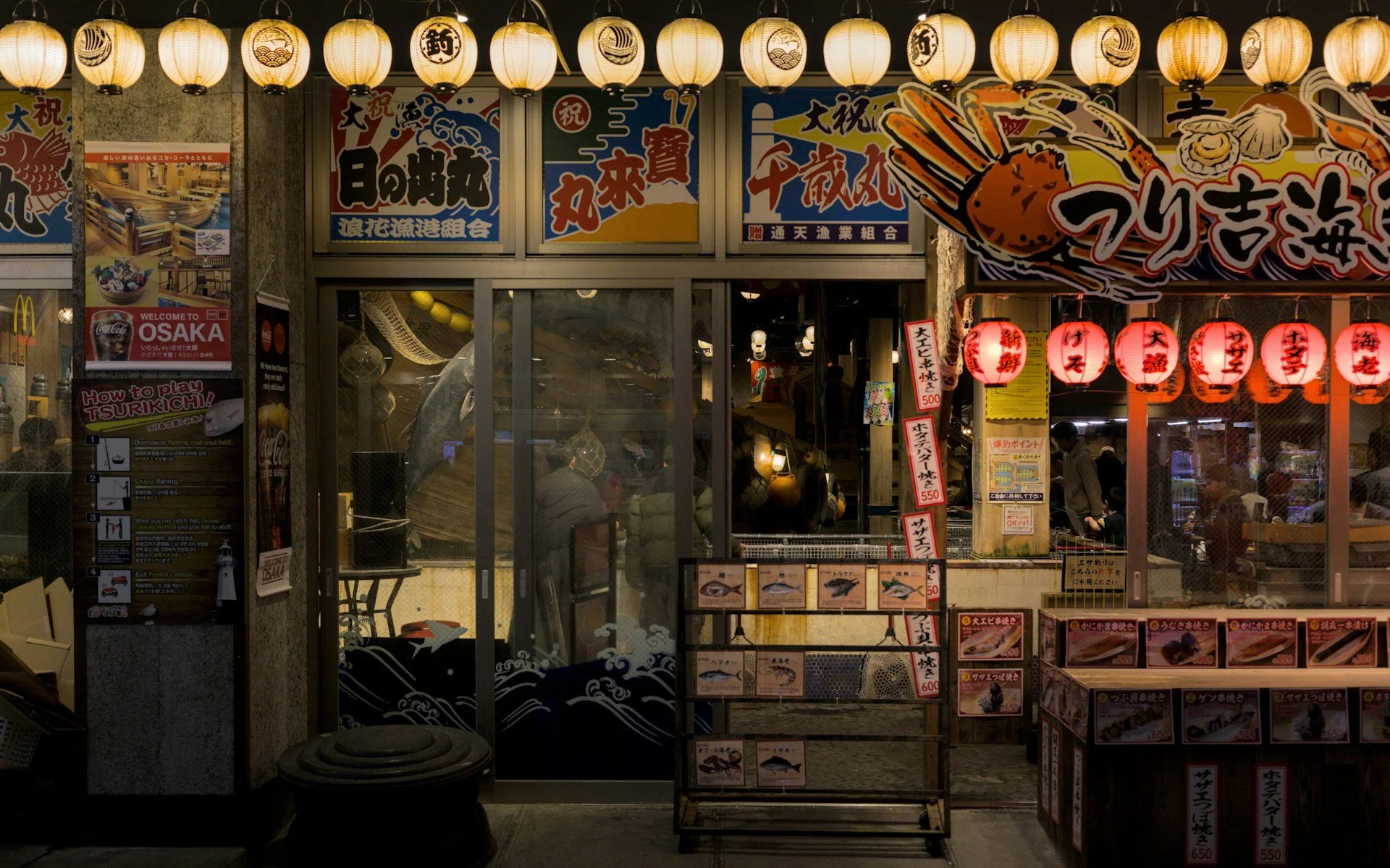
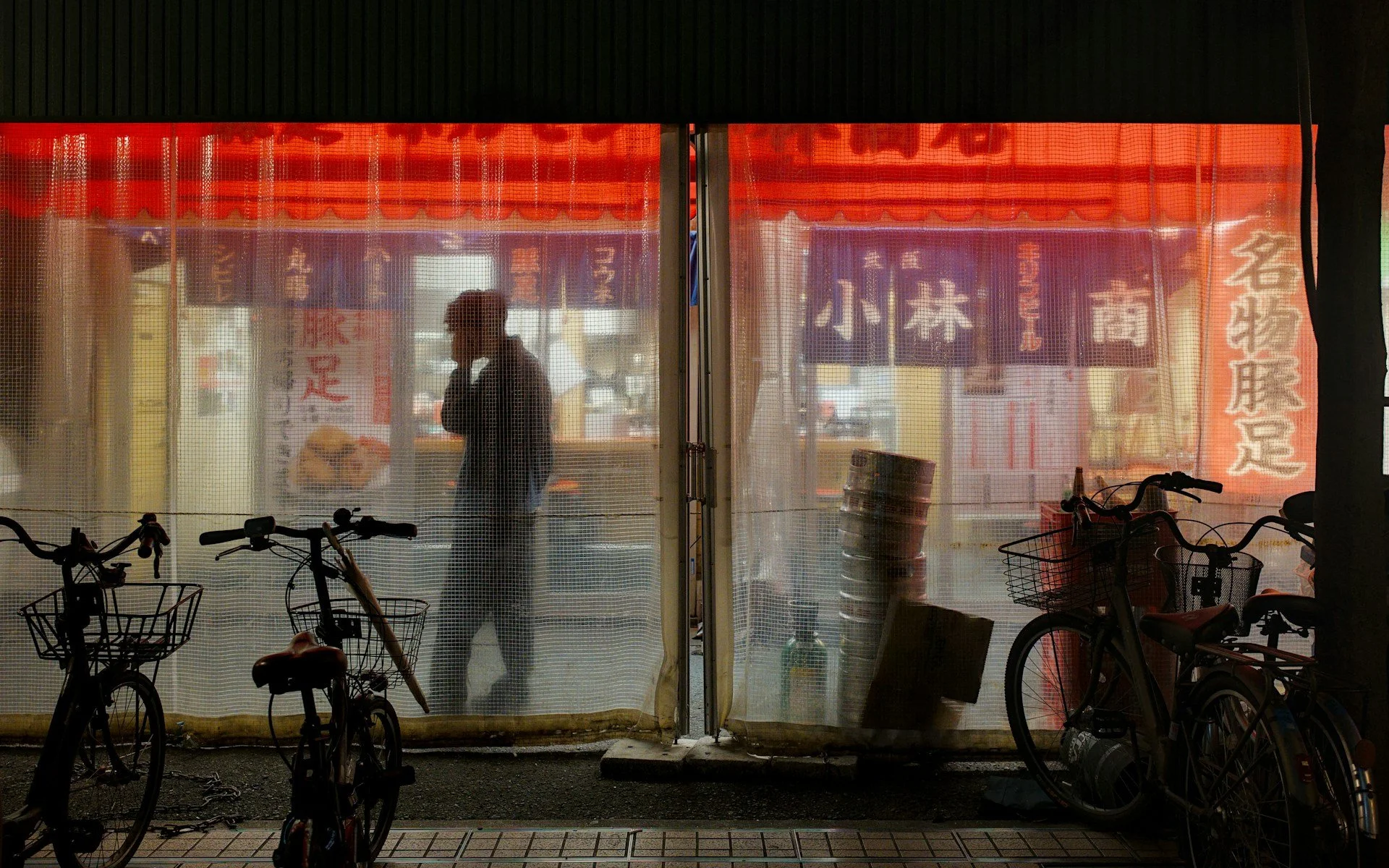
Tenma Izakaya Crawl - Come back after dark. Don't pick one restaurant—pick three. Tenma's narrow lanes contain scores of tiny restaurants and drinking spots frequented by locals, making it one of the city's best areas for an improvised evening. Start with sashimi, move somewhere else for yakitori, finish with gyoza and highballs. Four stools, six strangers, eight dishes you didn't plan on ordering. That's Osaka.
Day 3 — Minoh & Nakazakicho: Mountains by Morning, Backstreets by Night
One minute you're walking through cedar forest; a few hours later you're drinking sake in a wooden house wedged beneath high-rises—that contradiction is Osaka.
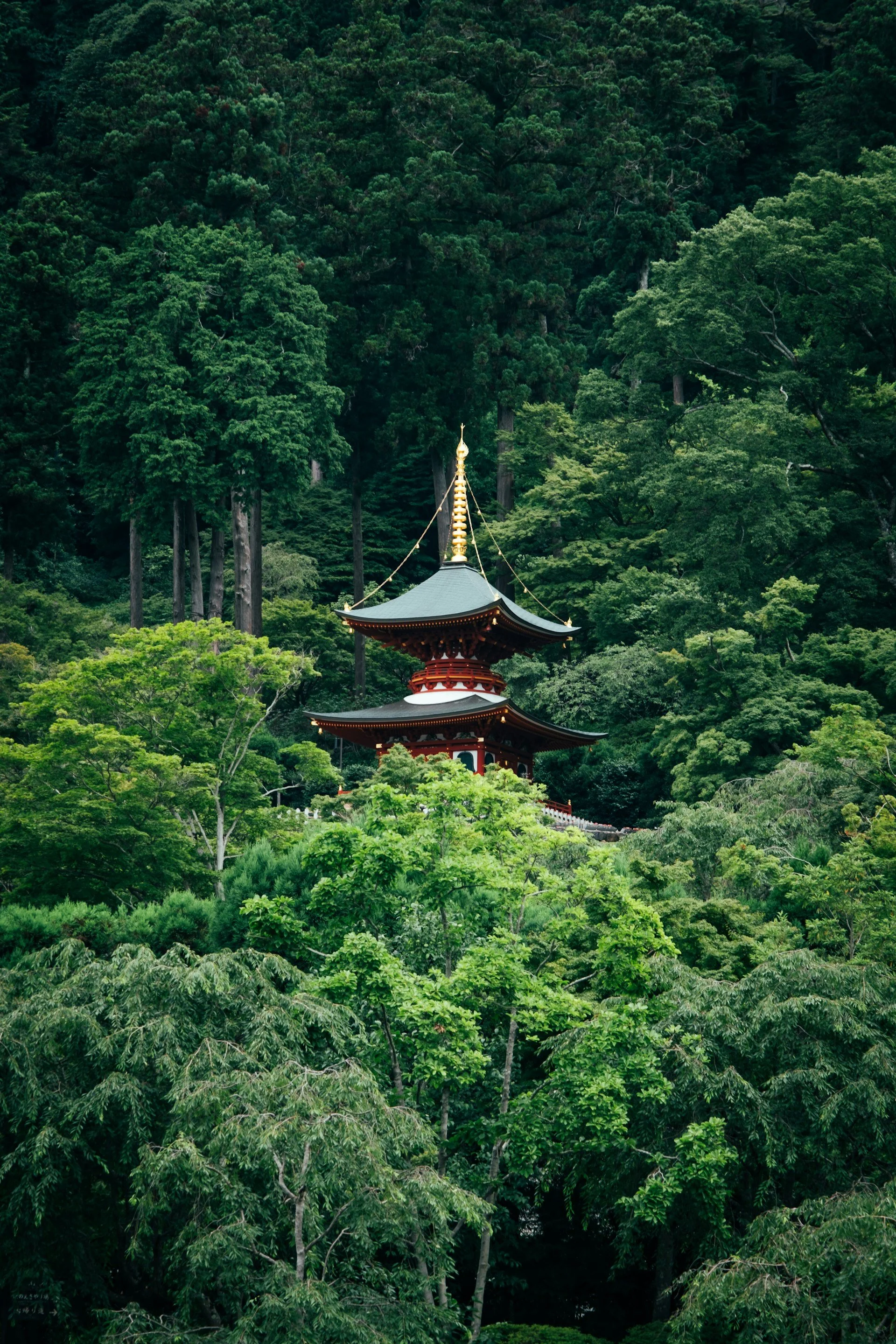
Minoh Park & Minoh Falls - Get out of the concrete. Minoh offers one of the easiest nature escapes from central Osaka, with a forested walk leading toward the waterfall. In autumn the hills explode into red and orange; year-round, it's an antidote to the noise downtown. Osaka's official tourism guide specifically highlights Minoh as a way to combine the city with abundant nature.
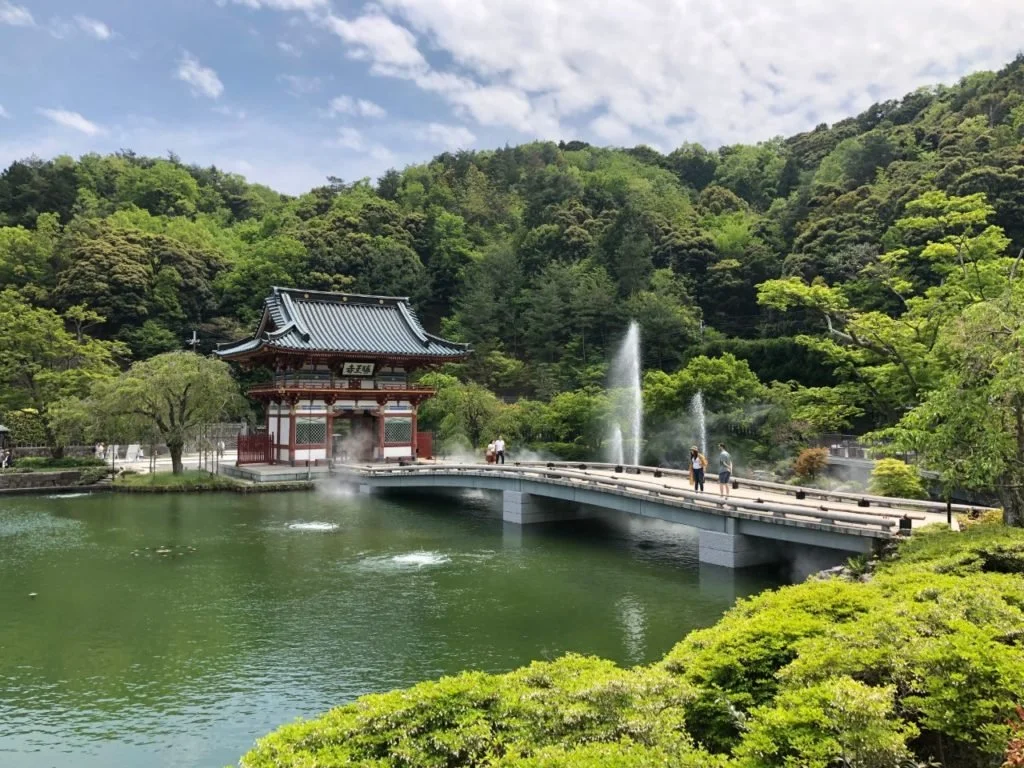
Katsuo-ji Temple - Continue deeper into the hills to this remarkable temple famous for its thousands of little red daruma dolls. They're symbols of perseverance and good fortune, scattered across walls, steps and gardens. Mist hanging over the mountains only improves things.
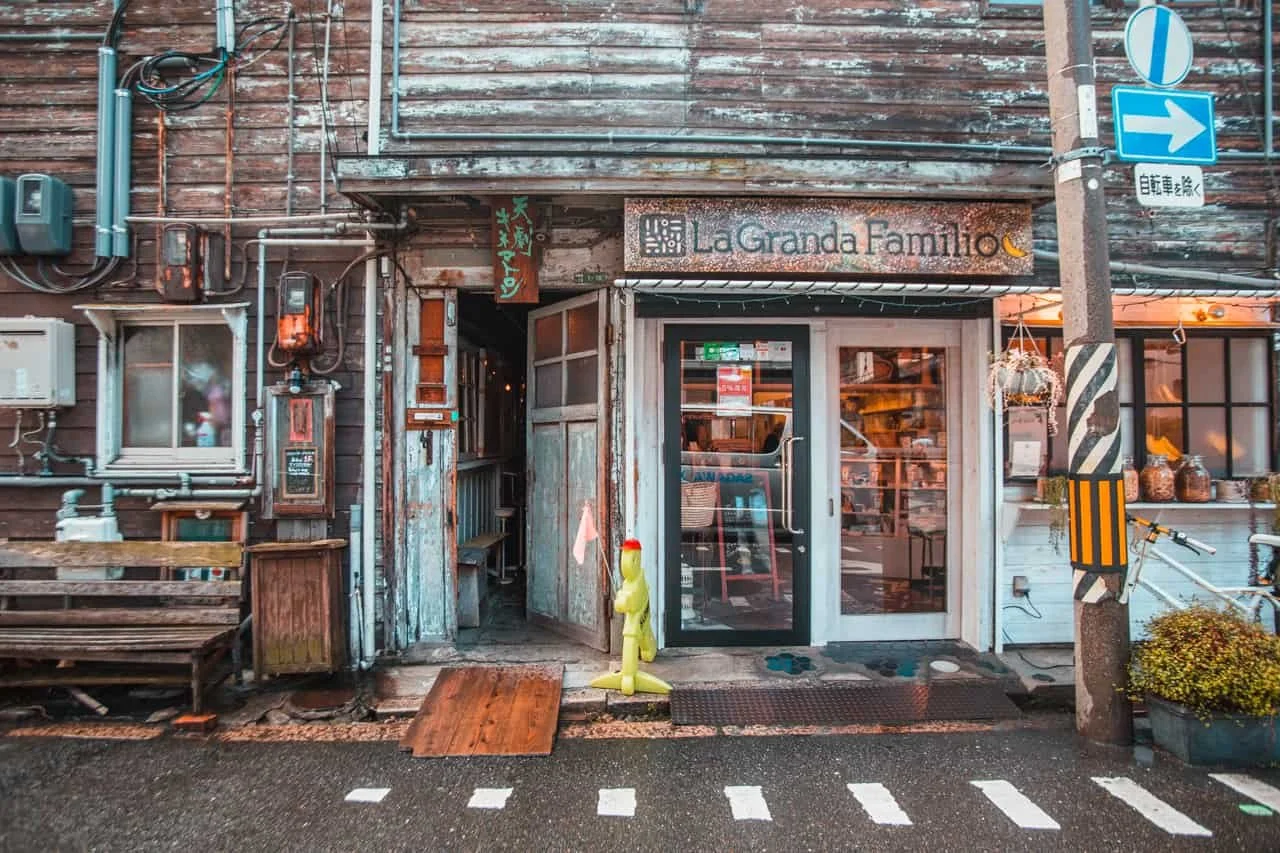
Nakazakicho - Back in Osaka, skip Umeda's giant shopping complexes and walk east into Nakazakicho. The neighborhood largely escaped wartime destruction, leaving narrow lanes and prewar wooden houses now occupied by independent cafés, vintage stores, galleries and tiny restaurants. It's the sort of neighborhood you discover at 3 p.m. and realize at 6 that you haven't left.
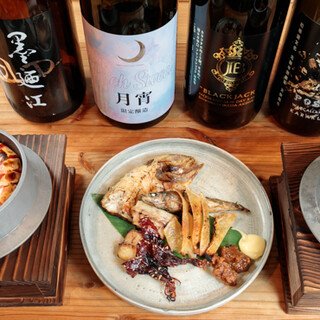
Seafood & Sake at Grilled Fish Izakaya NAOI - Finish with something elemental: fish, fire and alcohol. NAOI specializes in grilled seafood and classic izakaya plates and stays open late. Sit at the counter, order whatever fish looks best, add sake and allow the evening to deteriorate pleasantly from there.
Day 4 — Kuromon, Horie & Ura-Namba: Eat Until You Drop
Osaka has a word for eating yourself into financial ruin, which tells you this city has its priorities exactly right.
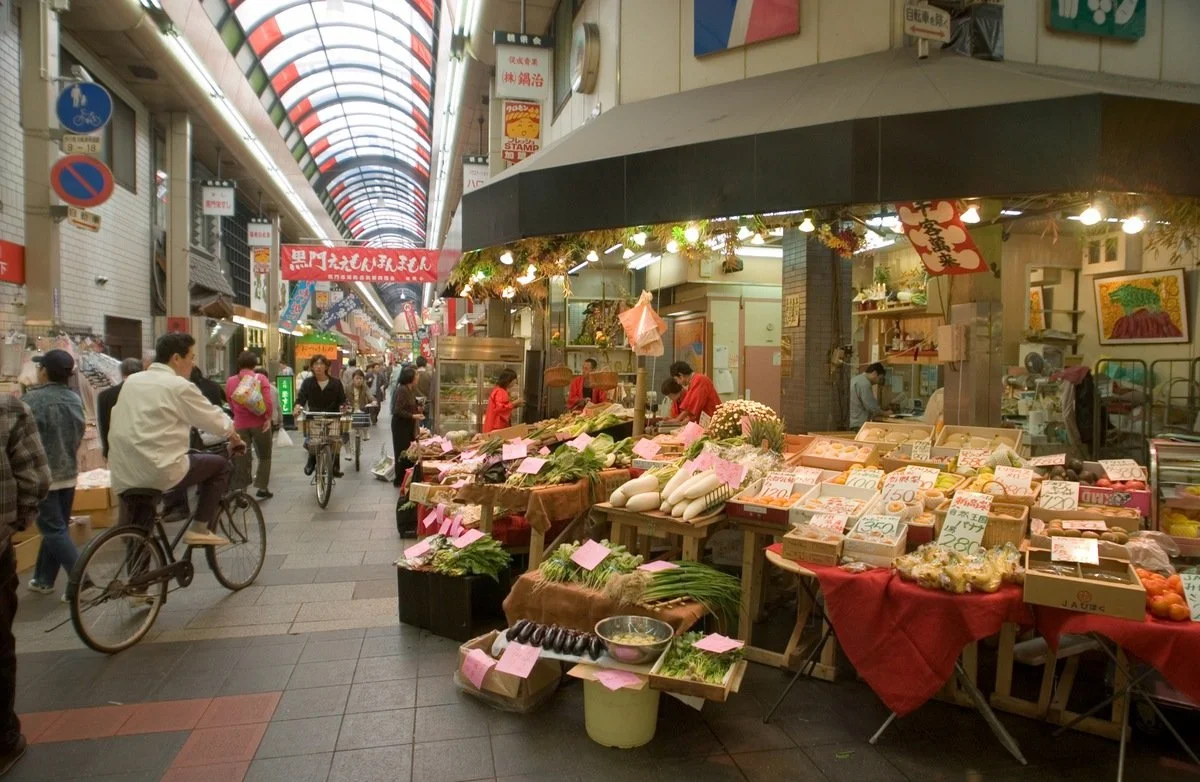
Kuromon Ichiba Market - Go early, before it becomes a parade. Kuromon has supplied Osaka's restaurants and home kitchens for generations, with roughly 180 stalls along its covered arcade. Look beyond the wagyu skewers aimed at visitors: watch the fishmongers, buy fruit, try scallops or tuna and see what people are actually taking home for dinner.
Horie & Orange Street - Then get away from the frenzy. Horie is Osaka's creative neighborhood: independent boutiques, furniture and design stores, vintage clothing and serious little cafés scattered through low-rise streets. It feels young without trying desperately to prove it.
Okonomiyaki at Okonomiyaki Okaru - Come hungry. Pork, cabbage, batter, sauce, mayonnaise, bonito flakes and heat combine into something far greater than those ingredients have any right to become. Okaru is an old-school Sennichimae operation rather than some sleek reinvention of Osaka comfort food. Sit near the griddle and watch dinner happen.
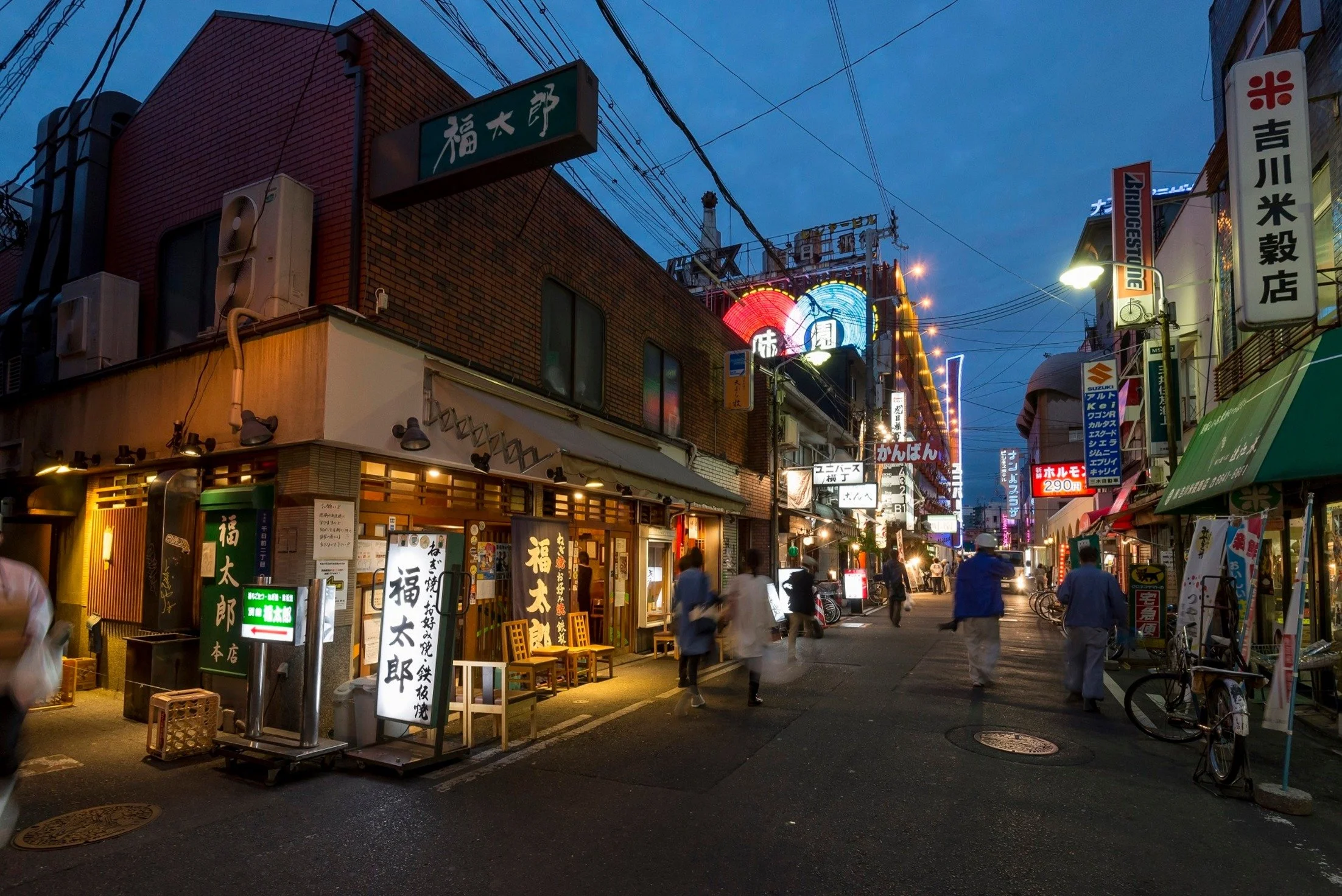
Ura-Namba After Dark - End in the backstreets behind Namba rather than spending the entire evening beneath Dotonbori's billboards. Tiny tachinomi standing bars, yakitori counters and izakayas are packed into alleys where the evening can easily become four establishments instead of one. Osaka's nightlife is noticeably more casual and blunt than Tokyo's: less performance, more eating, drinking and talking to whoever happens to be beside you.